
Raising awareness about the risks of gambling addiction
Understanding Gambling Addiction
Gambling addiction, often referred to as compulsive gambling, is a behavioral disorder that can severely impact an individual’s life. It is characterized by an uncontrollable urge to gamble despite the negative consequences that may arise. Individuals struggling with this addiction often experience emotional distress, financial problems, and strained relationships with family and friends. Interestingly, some individuals find excitement in various activities, including online casinos, and understanding the nature of this addiction is the first step toward addressing it effectively.
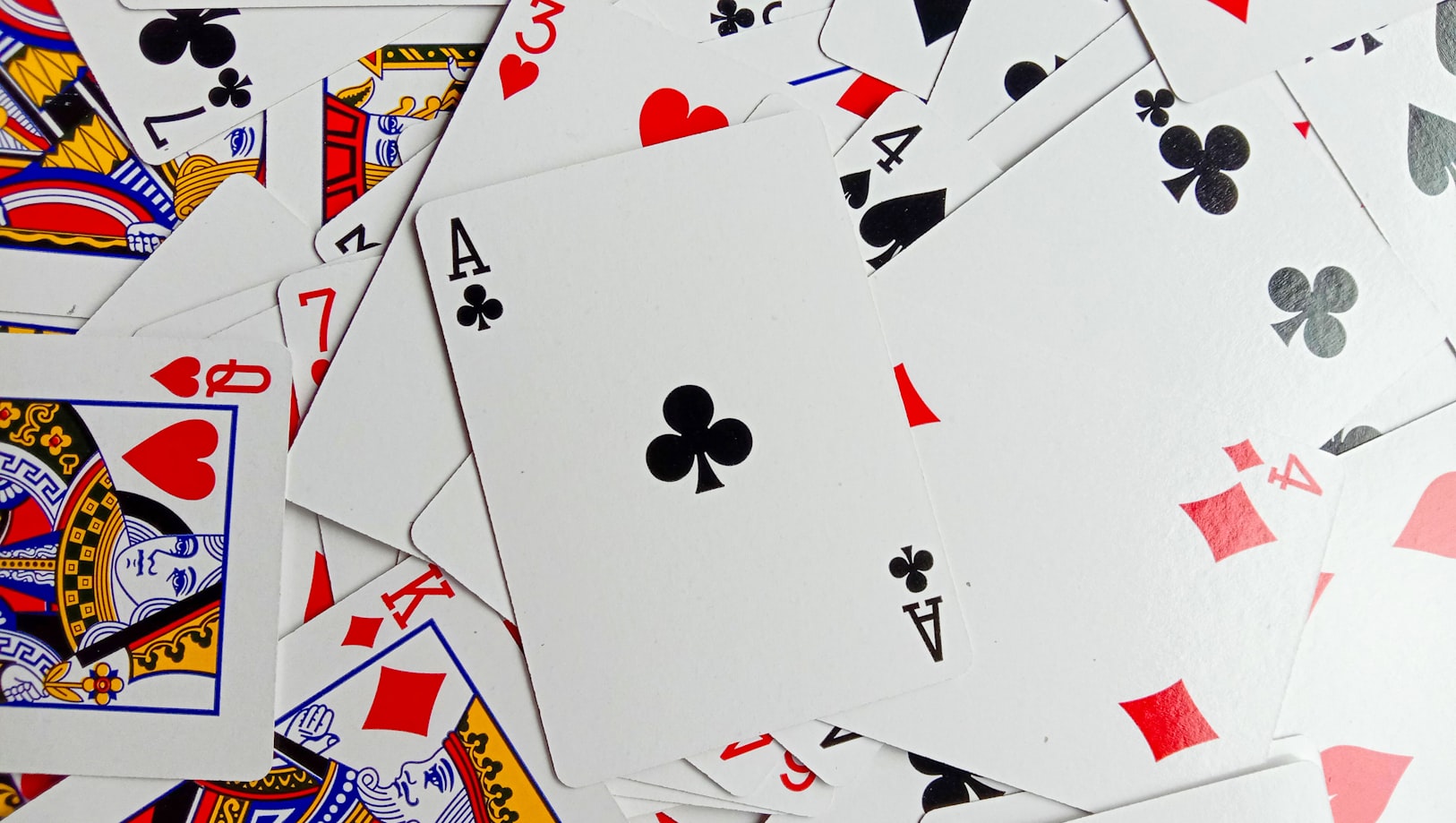
The psychological factors contributing to gambling addiction include a desire for excitement, the thrill of winning, and even an escape from daily challenges. These motivations can create a cycle of addiction that is difficult to break, leading individuals to gamble more frequently and with larger amounts. Awareness of these underlying factors is essential for both prevention and treatment efforts.
The Impact of Gambling Addiction
The consequences of gambling addiction extend beyond the individual to affect families and communities. Financial instability is one of the most significant impacts, as individuals may accumulate debt or deplete savings in their pursuit of gambling. This financial strain can lead to increased stress, marital discord, and even mental health issues, such as depression and anxiety.
Moreover, gambling addiction can contribute to criminal behavior. Some individuals may resort to illegal activities to fund their gambling habits, leading to legal issues and further complicating their recovery process. This ripple effect highlights the urgent need for awareness and intervention strategies to mitigate these risks.
Recognizing the Signs of Gambling Addiction
Identifying the signs of gambling addiction is crucial for timely intervention. Common indicators include preoccupation with gambling, an inability to stop despite wanting to, and using gambling as a way to cope with stress or emotional pain. Individuals may also lie about their gambling activities or experience withdrawal symptoms when not gambling.
Encouraging open conversations about these signs can help friends and family members support those in need. Early recognition can lead to early intervention, which is essential for effective treatment. It is vital to foster an environment where discussing gambling behaviors is normalized, reducing stigma and encouraging those affected to seek help.
Resources and Support for Those Affected
Many resources are available for individuals struggling with gambling addiction and their loved ones. Support groups, such as Gamblers Anonymous, provide a community of understanding and shared experiences, which can be invaluable in the recovery journey. Professional counseling and therapy are also effective options, offering tailored strategies to manage and overcome addiction.
Education is another powerful tool in combating gambling addiction. By providing information about the risks and consequences, individuals can make informed choices and seek help when needed. Awareness campaigns, workshops, and community programs play a critical role in disseminating this information, fostering a culture of understanding and support.

Join Our Efforts in Raising Awareness
Our website is dedicated to raising awareness about the risks of gambling addiction and providing resources for those affected. We believe that educating the public is vital in preventing gambling addiction and promoting healthier lifestyles. Through informative content, personal stories, and community engagement, we aim to shed light on this pressing issue.
We invite you to join us in our mission. Whether you are seeking help, looking to support a loved one, or simply interested in learning more, our platform offers a wealth of information. Together, we can foster a greater understanding of gambling addiction and its risks, ultimately helping to reduce its impact on individuals and society as a whole.